Not all exercise is equal when it comes to testosterone. Some types produce strong and consistent testosterone responses; others produce modest or negligible hormonal effects. Understanding which protocols produce the best testosterone outcomes — and why — helps men structure their fitness approach to support hormonal health alongside the standard cardiovascular and muscular benefits.
The mechanism is straightforward: exercise creates metabolic stress and muscular damage that triggers anabolic hormone release — including testosterone — as part of the repair and adaptation response. The magnitude of this response depends on how much metabolic stress is created, how much muscle mass is involved, and the intensity and volume of the stimulus.
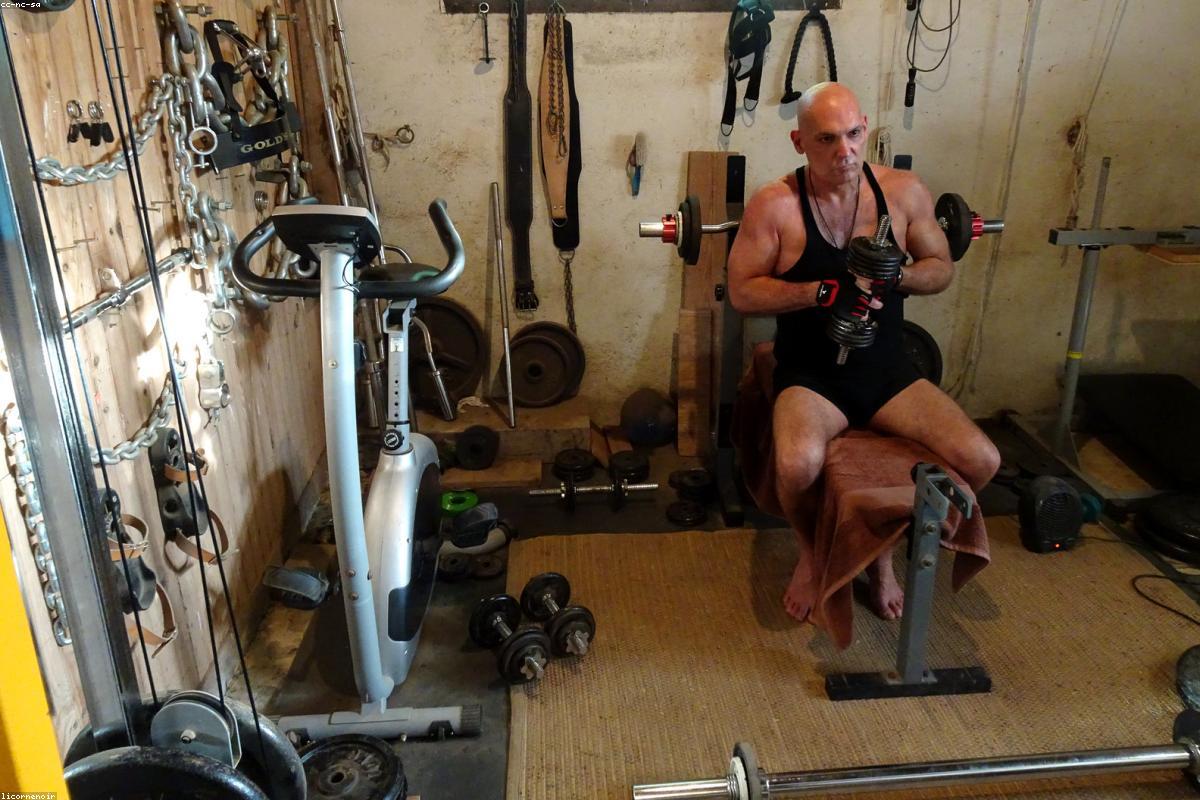
Resistance Training: The Clear Leader
Research consistently finds that resistance training produces larger and more reliable testosterone responses than any other exercise modality. A comprehensive review of 30 studies on exercise and testosterone found that acute testosterone increases after resistance exercise ranged from 15-25% above baseline, with chronic training producing improvements in resting testosterone levels of 10-20% compared to pre-training [1].
Why Resistance Training Works
Large muscle mass recruitment. Testosterone release after exercise is proportional to the amount of muscle tissue mobilized. Exercises that engage multiple large muscle groups simultaneously — squats, deadlifts, bench press, rows, overhead press — produce larger hormonal responses than isolation exercises that engage single muscles.
Mechanical and metabolic stress. Heavy resistance training creates significant muscle damage and metabolic stress (lactate accumulation, ATP depletion, hypoxia in muscle fibers). This stress triggers the anabolic signaling cascade that includes testosterone, growth hormone, and IGF-1 release.
Neuromuscular demand. Compound, heavy lifts require substantial central nervous system engagement that contributes to hormonal response independently of metabolic stress.
Optimal Resistance Training Protocol for Testosterone
Based on research identifying the conditions that maximize acute testosterone response:
Load: Moderate to heavy — 70-85% of one-repetition maximum (1RM). This corresponds roughly to a weight you can lift 6-12 times per set with near-maximum effort on the last few repetitions.
Volume: 3-5 sets per exercise, 6-10 repetitions per set. Total training volume (sets × reps × load) is a key driver of the testosterone response.
Rest periods: Shorter rest periods (60-90 seconds between sets) maintain elevated metabolic stress and may produce somewhat larger hormonal responses than longer rests, but at the cost of reduced load capacity. A balanced approach of 90-120 seconds between sets allows reasonable load while maintaining adequate metabolic stress.
Exercise selection: Prioritize compound movements:
- Squats (front or back)
- Deadlifts (conventional, sumo, or Romanian)
- Bench press (flat or incline)
- Overhead press
- Rows (barbell, dumbbell, cable)
- Pull-ups or lat pulldowns
These produce dramatically larger testosterone responses than isolation exercises (bicep curls, tricep extensions, leg extensions). Include isolation exercises for balance and injury prevention, but structure sessions around compounds.
Frequency: 3-4 sessions per week. Daily resistance training doesn’t allow adequate recovery and actually reduces resting testosterone in men who are overtrained. Adequate recovery between sessions is essential for the adaptation response — including hormonal adaptation.
Chronic vs. Acute Effects
The acute testosterone spike after each training session (lasting approximately 15-45 minutes post-exercise) is real but brief. The more important chronic adaptation is the elevation of resting testosterone over weeks and months of consistent training. This chronic effect reflects genuine physiological adaptation — improved Leydig cell sensitivity, enhanced HPG axis function, and body composition changes (reduced fat, increased muscle) that independently support testosterone production.
Chronic effects require consistency over a minimum of 8-12 weeks before showing clear differences in resting testosterone compared to pre-training or sedentary controls.
High-Intensity Interval Training (HIIT)
HIIT — short bursts of maximum-effort exercise alternating with brief rest periods — produces testosterone responses approaching those of resistance training, with the added benefit of substantial cardiovascular and metabolic adaptation in shorter sessions.
The protocol: Typical HIIT involves 8-10 rounds of 20-30 seconds of maximum effort (sprint, cycling sprint, rowing, jump squats) with 10-15 seconds of rest. Total session duration: 4-15 minutes of active work.
A study comparing HIIT to moderate-intensity continuous training (MICT — steady-state cardio) found that HIIT produced significantly greater testosterone increases post-exercise than MICT, with similar effects to moderate resistance training in some protocols [2].
Why HIIT works: The explosive, maximum-effort nature of HIIT creates high metabolic stress rapidly. The fast-twitch muscle fibers recruited during maximum-effort sprints are the fiber type most responsive to anabolic signaling. The brief rest periods maintain metabolic stress throughout the session.
Limitations for men over 40: HIIT is high-impact and requires adequate recovery. Men over 40 with joint issues, cardiovascular conditions, or inadequate base fitness may not tolerate high-impact HIIT protocols. Low-impact HIIT alternatives (cycling, swimming, rowing) produce similar hormonal responses with reduced injury risk.
Recovery consideration: HIIT requires 48-72 hours of recovery between sessions. Two sessions per week is typically the maximum for sustained men over 40 training; three can be appropriate for conditioned men.
Aerobic Exercise
Moderate-intensity steady-state cardio (running, cycling, swimming at 60-70% of maximum heart rate for 30-60 minutes) produces minimal acute testosterone response. Some studies actually show slight testosterone decreases immediately after prolonged aerobic exercise — cortisol rises more than testosterone during sustained moderate-intensity work.
Despite this, regular aerobic exercise is associated with higher resting testosterone levels in population studies compared to sedentary men. The mechanism is indirect: aerobic exercise improves cardiovascular health, reduces inflammation, improves insulin sensitivity, and supports healthy body composition — all of which improve the systemic environment for testosterone production.
The practical distinction: Aerobic exercise doesn’t directly boost testosterone in the way resistance training does, but it supports the systemic health conditions that testosterone production depends on. Include it for cardiovascular health and metabolic benefits, not primarily for testosterone.
Excessive Endurance Training and Testosterone
Very high volumes of endurance training — marathon and ultramarathon training, competitive cycling, triathlons — can actually suppress testosterone. The physiological stress of extremely high training volumes without adequate recovery chronically elevates cortisol, which suppresses the HPG axis.
Elite endurance athletes often have lower testosterone than recreationally active men of the same age. Men over 40 training for extreme endurance events should monitor for testosterone suppression symptoms.
Training for Fat Loss
Since visceral fat drives testosterone-lowering aromatization, exercise that produces body fat reduction has a testosterone-supportive effect that goes beyond the acute hormonal response to training. Both resistance training and high-intensity interval training are more effective for body composition than moderate-intensity steady-state cardio — both preserve and build lean mass while burning fat, creating the favorable body composition that supports higher testosterone.
Overtraining: The Opposite Effect
A common mistake among men trying to “maximize testosterone” through exercise: more isn’t better. Overtraining — training volume or frequency that exceeds recovery capacity — chronically elevates cortisol and actually suppresses testosterone below pre-training levels.
Signs of overtraining in men over 40:
- Persistent fatigue that doesn’t resolve after rest days
- Mood deterioration, increased irritability
- Reduced performance despite continued training
- Increased injury frequency
- Sleep disruption
- Libido decline
Men over 40 need more recovery time per training stimulus than younger men. The optimal training frequency is less than younger men can tolerate — and pushing beyond it is counterproductive for both performance and hormonal health.
Practical Training Structure
For a man over 40 aiming to support testosterone through exercise:
3-4 resistance sessions per week (compound-focused, moderate-to-heavy loads):
- Monday: Lower body compound (squat or deadlift focus)
- Wednesday: Upper body push (bench, overhead press)
- Friday: Lower body (Romanian deadlift, lunges)
- Saturday or Sunday (optional): Upper body pull (rows, pull-ups)
1-2 HIIT sessions per week (non-overlapping with resistance days):
- Brief (15-25 minutes total including warmup) on off days between resistance sessions
- Low-impact if joint issues: cycling, rowing, or swimming
2-3 light aerobic sessions (walking, easy cycling, swimming):
- Active recovery, stress management, cardiovascular maintenance
- Not so intense as to impair resistance training recovery
Total weekly training time: 5-7 hours. Manageable, sustainable, and structured to maximize both testosterone support and overall health.
Key Takeaways
- Resistance training is the strongest testosterone stimulus — compound movements (squats, deadlifts, presses, rows) at 70-85% 1RM, 3-4 sessions per week
- HIIT produces testosterone responses approaching resistance training in significantly shorter sessions — useful as a complement, 1-2 sessions per week
- Moderate aerobic exercise doesn’t directly raise testosterone but supports the metabolic health that testosterone production depends on
- Volume matters more than intensity alone — 3-5 sets of multiple compounds per session produces larger responses than low-volume high-intensity or high-volume low-intensity
- Recovery is more important after 40 — overtraining suppresses testosterone; 48-72 hours between resistance sessions is appropriate
- Excessive endurance training can suppress testosterone — marathon training volumes chronically elevate cortisol and lower testosterone in competitive athletes
Related Articles
- Testosterone After 40: The Complete Guide
- Natural Ways to Boost Testosterone After 40
- Fitness & Exercise for Men Over 40: The Complete Guide
- Strength Training After 40 — Why It Matters More Than Ever
References
Vingren JL, Kraemer WJ, Ratamess NA, et al. Testosterone physiology in resistance exercise and training: the up-stream regulatory elements. Sports Medicine. 2010;40(12):1037-1053. PubMed
Meckel Y, Eliakim A, Seraev M, et al. The effect of a brief sprint interval exercise on growth factors and inflammatory mediators. The Journal of Strength and Conditioning Research. 2009;23(1):225-230. PubMed
Kraemer WJ, Ratamess NA. Hormonal responses and adaptations to resistance exercise and training. Sports Medicine. 2005;35(4):339-361. PubMed
This article is for informational purposes only and does not constitute medical advice. Always consult a qualified healthcare provider before making changes to your health routine.