The supplement industry’s answer to testosterone decline after 40 is a crowded shelf of products making dramatic claims — “boosts testosterone by 400%,” “clinical-strength androgen support,” “natural TRT alternative.” The evidence behind most of these claims doesn’t survive scrutiny. The ingredients either haven’t been tested in humans, have been tested and shown minimal effect, or show effects only in men with frank nutritional deficiencies rather than the average man buying supplements.
This isn’t to say nothing natural works. It is to say that the most effective natural interventions for testosterone aren’t in bottles — they’re behaviors. Lifestyle modifications with genuine, replicated scientific support can produce testosterone improvements that are clinically meaningful for men in the borderline-low range, and that provide systemic health benefits that no supplement can match.
What follows are the interventions with the strongest evidence — ranked by effect size and clinical relevance.
Resistance Training
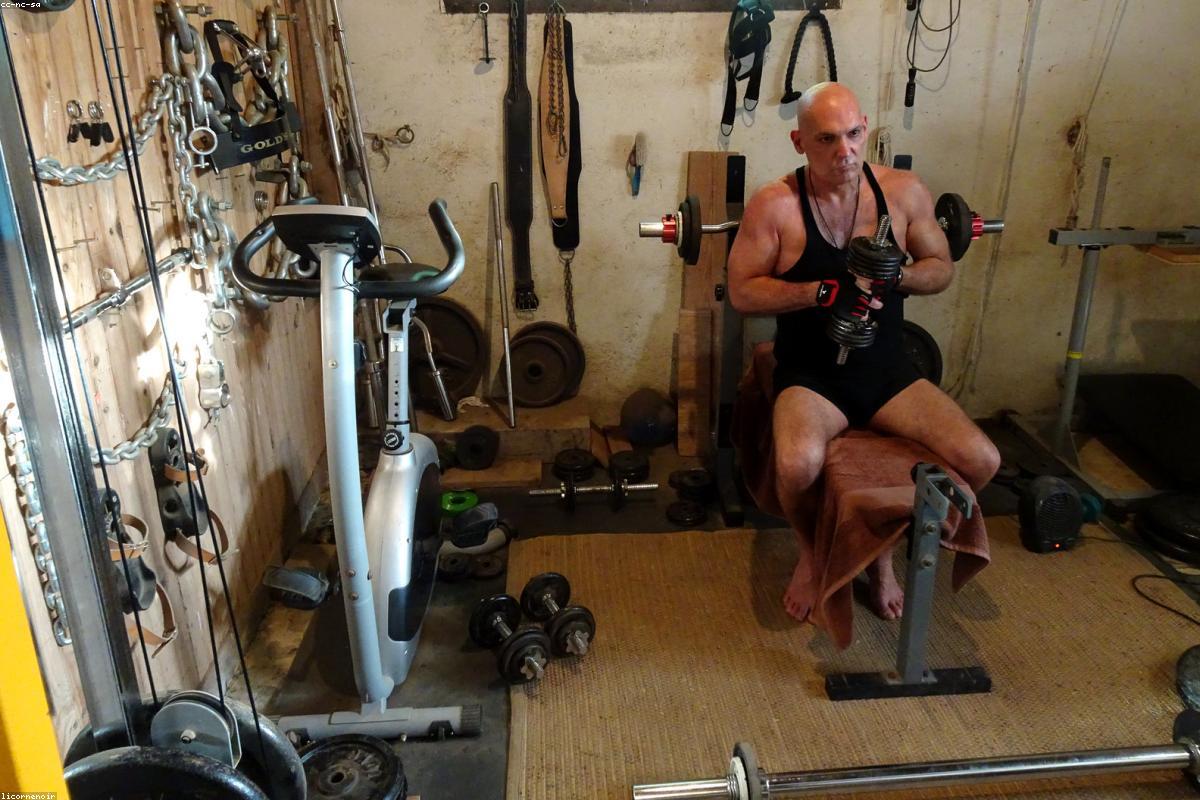
The most effective non-pharmacological testosterone intervention. Resistance exercise (weightlifting, bodyweight training, resistance bands) produces both acute and chronic effects on testosterone:
Acute effect: Testosterone peaks approximately 15-30 minutes after resistance training, driven by the anabolic signaling that repairs damaged muscle fibers. This spike is transient — returning to baseline within 60-90 minutes — but it contributes to the signaling environment that sustains protein synthesis for hours post-exercise.
Chronic effect: Men who resistance train consistently maintain higher resting testosterone levels than sedentary men of the same age. A systematic review found that 12+ weeks of resistance training produced statistically significant increases in resting total testosterone compared to sedentary controls [1].
Optimal protocol:
- Frequency: 3-4 sessions per week
- Load: Moderate to heavy (70-85% of one-rep maximum), sufficient to produce muscle fatigue within 8-12 repetitions
- Exercise selection: Compound movements (squats, deadlifts, bench press, rows) produce larger hormonal responses than isolation exercises — more muscle mass recruited means greater anabolic signaling
- Volume: 3-5 sets per major muscle group per session
The effect size is meaningful for men in the low-normal range but shouldn’t be overstated. Resistance training can produce testosterone improvements of 15-20% above sedentary baseline — enough to move a borderline-deficient man into the adequate range, but not enough to normalize frank clinical hypogonadism without additional intervention.
Sleep Optimization
Testosterone production is fundamentally a nocturnal event. The majority of daily testosterone secretion occurs during sleep — specifically during slow-wave (deep) sleep stages, in pulses that coincide with sleep architecture. Without adequate, high-quality sleep, this production is compromised.
The evidence is stark: a University of Chicago study published in JAMA found that restricting sleep to 5 hours per night for one week reduced testosterone levels by 10-15% in young healthy men [2]. One week of poor sleep produced hormonal changes equivalent to 10-15 years of normal aging.
For men over 40 who are already experiencing age-related testosterone decline, chronic sleep deprivation stacks on top of that decline — potentially pushing borderline-adequate men into symptomatic deficiency.
Sleep optimization for testosterone:
- Duration: 7-9 hours per night
- Sleep apnea screening: If you snore, wake frequently, or feel unrefreshed despite adequate sleep duration, get evaluated for obstructive sleep apnea — OSA is extremely common in men over 40 and produces chronic testosterone suppression through nocturnal oxygen desaturation
- Sleep hygiene: Consistent sleep/wake times, dark and cool room, no screens in the 30-60 minutes before sleep, limiting caffeine after 2 PM
- Sleep quality over quantity: 7 hours of consolidated, deep sleep is worth more than 9 hours of fragmented sleep
Weight Loss (Specifically Fat Loss)
Visceral abdominal fat — the fat surrounding internal organs that produces the “spare tire” — is rich in aromatase enzyme, which converts testosterone to estradiol. The more visceral fat a man carries, the more testosterone is converted, and the lower his testosterone-to-estrogen ratio. Additionally, obesity is associated with elevated inflammatory markers that suppress the HPG axis.
The relationship between weight loss and testosterone is well-documented: men who lose significant weight through diet, exercise, or bariatric surgery consistently show meaningful testosterone increases. A meta-analysis found that weight loss produced average testosterone increases of approximately 2-3 ng/dL per kilogram of weight lost [3].
Practically: a man who loses 15 kg (33 lbs) of fat mass might see testosterone improve by 30-45 ng/dL — not a dramatic change in absolute terms, but potentially clinically significant for a man hovering near the deficiency threshold.
The composition of weight lost matters: fat loss improves testosterone, muscle loss doesn’t. This is why crash diets produce less testosterone improvement than combined exercise-and-diet approaches — they lose muscle alongside fat, reducing the lean mass that supports testosterone production.
Alcohol Reduction or Elimination
Alcohol is a direct testicular toxin with multiple mechanisms of testosterone suppression:
- Leydig cell dysfunction (impairs testosterone synthesis directly)
- Increased cortisol (which suppresses the HPG axis)
- Increased aromatization (converts testosterone to estradiol)
- Zinc depletion (zinc is required for testosterone synthesis)
- Disrupted sleep architecture (reducing slow-wave sleep)
Chronic moderate-to-heavy drinking (more than 14 drinks per week) produces measurable testosterone suppression. For men who regularly consume this amount, reducing or eliminating alcohol can produce meaningful testosterone recovery — though recovery may take months to stabilize.
Even moderate alcohol consumption (7-14 drinks per week) produces some degree of hormonal disruption. For men concerned about testosterone optimization, this is worth considering, even if it falls below the threshold of clinical alcohol use disorder.
Stress Management
Cortisol and testosterone have a well-established inverse relationship: chronic cortisol elevation suppresses testosterone production through negative feedback on the HPG axis. The hypothalamus reduces GnRH secretion under chronic stress, which reduces LH, which reduces testicular testosterone production.
This mechanism was adaptive in ancestral environments — when physical survival was threatened, reproduction was appropriately deprioritized. Modern chronic stress (financial, occupational, relational) activates the same mechanism without the adaptive benefit.
The research on stress reduction and testosterone shows modest but meaningful effects: mindfulness practice, cognitive-behavioral stress reduction, and effective coping strategy development are associated with reduced cortisol and improved testosterone in high-stress populations. The practical challenge is that effective stress management requires genuine habit change — the generic advice to “reduce stress” produces less benefit than specific, practiced techniques.
Micronutrient Sufficiency
Two micronutrients have meaningful evidence for testosterone support when deficient:
Zinc: An essential cofactor for testosterone synthesis. Men who are zinc-deficient (more common than generally recognized — estimated 10-15% of the US population) show testosterone improvements with zinc supplementation. However, men with adequate zinc status see no benefit from additional zinc. Testing zinc status before supplementing is more rational than assuming deficiency.
Vitamin D: Vitamin D receptors are present in Leydig cells, and vitamin D deficiency (common in northern latitudes, office workers, and men over 40) is associated with lower testosterone. A randomized controlled trial found that vitamin D supplementation in deficient men produced significant testosterone increases compared to placebo [4]. Again, the benefit is specific to men who are deficient — supplementing vitamin D doesn’t provide additional testosterone benefit above adequate vitamin D status.
Magnesium: Some evidence for testosterone support in men with low dietary magnesium intake, potentially through free testosterone effects (magnesium competes with SHBG for binding). The effect is modest.
The pattern is consistent: addressing genuine micronutrient deficiencies can improve testosterone; megadosing nutrients in men who aren’t deficient produces minimal testosterone benefit despite substantial supplement industry claims.
What Doesn’t Work (or Barely Works)
Tribulus terrestris: Widely marketed as a testosterone booster. Multiple randomized controlled trials have found no significant testosterone increase in men. The original human research was conducted in infertile men in specific populations; it does not generalize to healthy men over 40.
D-aspartic acid: Some early studies suggested testosterone effects; higher-quality subsequent studies found none in healthy men with normal testosterone.
Ashwagandha: The most evidence-supported supplement for sexual function (particularly cortisol reduction and related testosterone effects in high-stress populations). Produces modest testosterone improvements in some studies — 15-20% in stressed or infertile men. Worth considering as an adjunct, not a primary intervention.
DHEA: A precursor hormone that can convert to testosterone. Supplementation in older men shows modest testosterone effects in some studies. Available without prescription in the US, requires caution due to potential conversion to estradiol as well as testosterone.
Fenugreek: Some evidence for supporting free testosterone (possibly by inhibiting SHBG or 5-alpha reductase). Effects are modest and the mechanism not fully established.
Key Takeaways
- Resistance training is the most effective natural testosterone intervention — 3-4 sessions per week with compound movements, moderate-heavy loads
- Sleep optimization produces the most dramatic individual improvements — one week of 5-hour nights reduces testosterone by 10-15%; sleep apnea requires medical treatment
- Visceral fat loss measurably improves testosterone by reducing aromatization — combined diet and exercise produces better results than diet alone
- Alcohol reduction removes a direct testicular toxin — meaningful recovery may take months after reducing intake
- Zinc and vitamin D supplementation produce testosterone benefits only in deficient men — test before supplementing
- Most marketed “testosterone boosters” have inadequate evidence — address lifestyle factors first
- The combined effect of multiple lifestyle improvements is substantially larger than any single intervention, and all produce systemic health benefits beyond testosterone
Related Articles
- Testosterone After 40: The Complete Guide
- Understanding Testosterone Decline
- Exercise and Testosterone — Which Types Work Best
- Sleep and Testosterone — The Overlooked Connection
References
Vingren JL, Kraemer WJ, Ratamess NA, et al. Testosterone physiology in resistance exercise and training: the up-stream regulatory elements. Sports Medicine. 2010;40(12):1037-1053. PubMed
Leproult R, Van Cauter E. Effect of 1 week of sleep restriction on testosterone levels in young healthy men. JAMA. 2011;305(21):2173-2174. PubMed
Corona G, Giagulli VA, Maseroli E, et al. Testosterone supplementation and body composition: results from a meta-analysis of observational studies. Journal of Endocrinological Investigation. 2016;39(9):967-981. PubMed
Pilz S, Frisch S, Koertke H, et al. Effect of vitamin D supplementation on testosterone levels in men. Hormone and Metabolic Research. 2011;43(3):223-225. PubMed
This article is for informational purposes only and does not constitute medical advice. Always consult a qualified healthcare provider before making changes to your health routine.